Who We Are
About the Forum
A dedicated advocacy organisation committed to protecting Ghana’s natural environment and restoring the dignity of communities affected by irresponsible resource extraction.
Our Story
A Nation Rich in Resources, Facing an Urgent Crisis
Ghana, once known as the Gold Coast, is richly endowed with natural resources including gold, diamond, bauxite, diverse timber species, and fertile agricultural land. Its ecological wealth is extraordinary — yet this wealth has come at a steep environmental price.
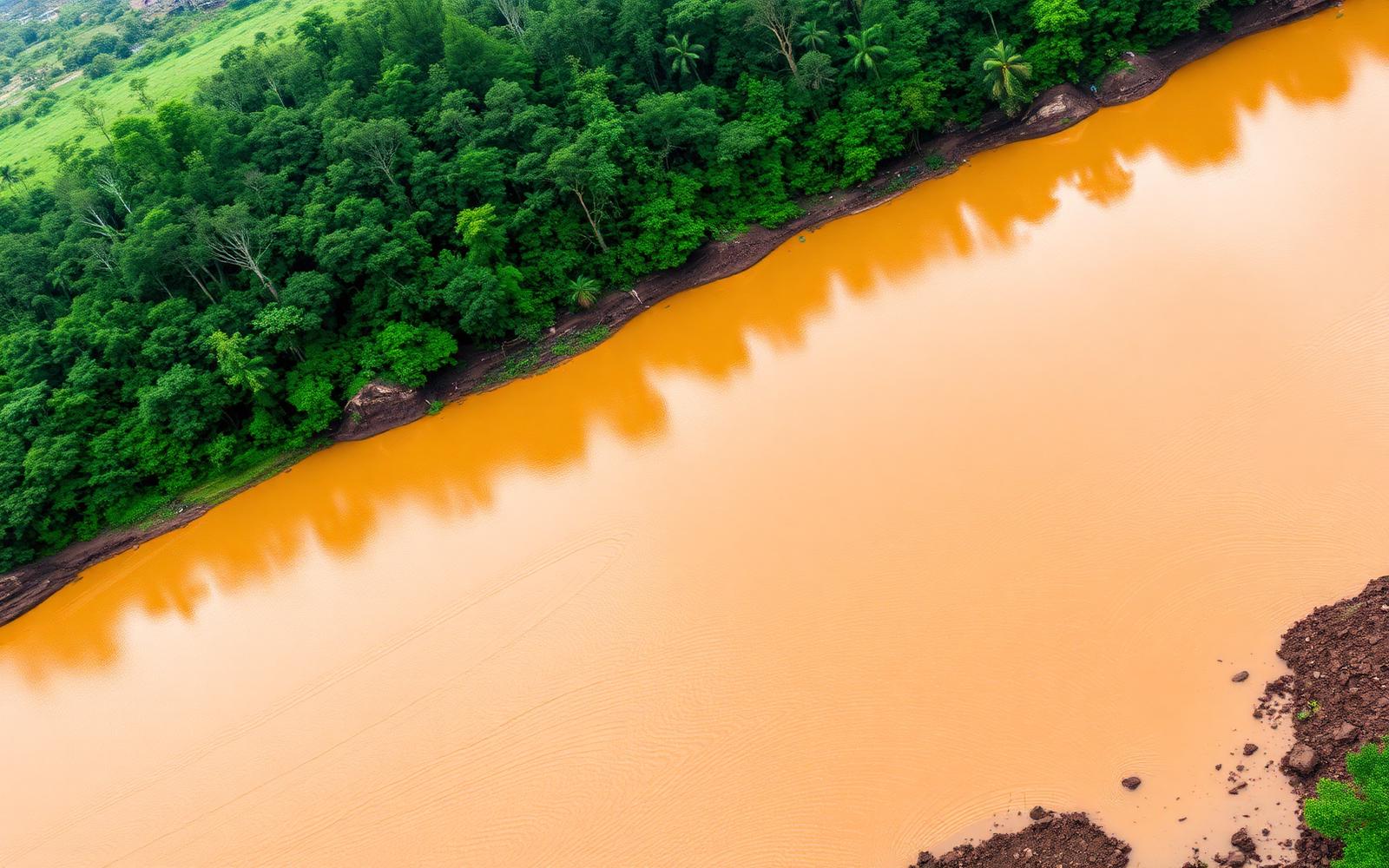
Decades of irresponsible small-scale mining — known locally as galamsey — have left thousands of hectares of forest degraded, rivers contaminated with mercury and sediment, and communities deprived of clean water and arable land.
“Gold mining in Ghana predates colonization, tracing back to neolithic hunter-gatherers who discovered gold nuggets along riverbanks thousands of years ago.”
GERF was founded in 2025 in Accra to confront this crisis through advocacy, education, community outreach, and strategic environmental initiatives that restore and preserve human dignity.
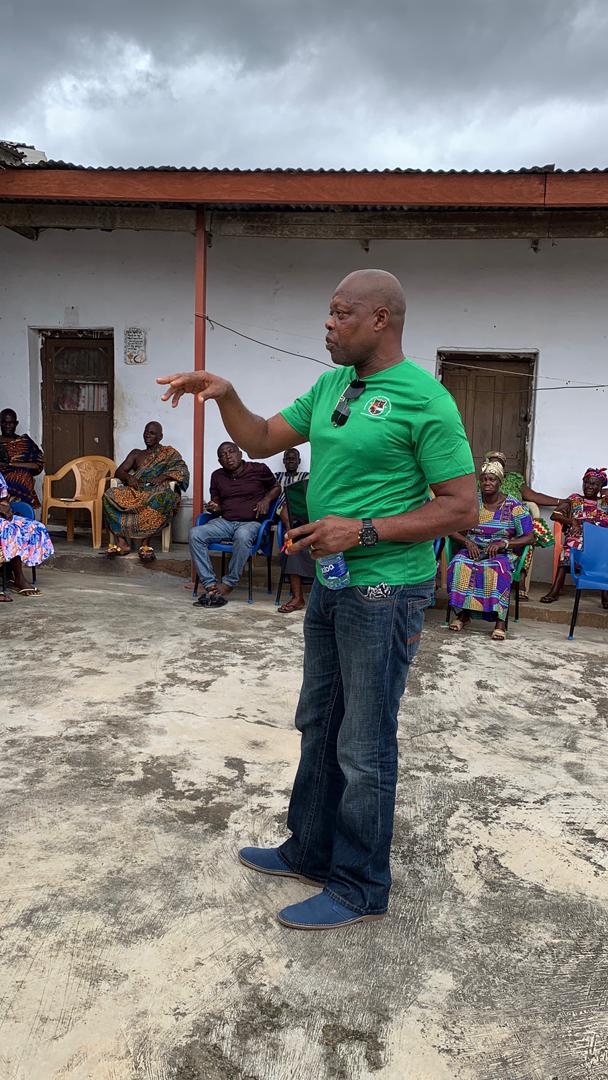
Advocacy, education, community outreach, and strategic environmental initiatives that restore and preserve human dignity
Our Story
Vision & Mission
Our Story
Our Core Values
Integrity
We operate with complete transparency, grounding all advocacy in verified evidence and peer-reviewed research.
Community
Every decision centres the people most affected — Ghana’s rural communities who live closest to the land.
Stewardship
We hold Ghana’s natural resources in trust for future generations and act accordingly in all we do.
Education
Non-formal and extension education is at the heart of our strategy — informed communities drive lasting change.


Our Story
Our Core Values
Integrity
We operate with complete transparency, grounding all advocacy in verified evidence and peer-reviewed research.
Community
Every decision centres the people most affected — Ghana’s rural communities who live closest to the land.
Stewardship
We hold Ghana’s natural resources in trust for future generations and act accordingly in all we do.
Education
Non-formal and extension education is at the heart of our strategy — informed communities drive lasting change.
Historical Context
Ghana’s Gold Mining Timeline
Pre-8000 BC
Early Discovery
Neolithic hunter-gatherer communities settle near Ghana’s river systems. Early alluvial gold nuggets discovered along riverbanks.
1874
Colonial Mining
Britain establishes the Gold Coast colony. First formal gold mining companies founded, beginning industrialised extraction.
Early 1900s
Expansion Era
Gold rushes expand extraction to Obuasi, Tarkwa, and Prestea — regions that remain central to Ghana’s mining industry.
1934
Price Era
Gold price fixed at $35 per troy ounce globally. This later surged to $614.75 by 1980, fuelling growing interest in extraction.
1976
Galamsey Emerges
The term “galamsey” enters common use in Tarkwa as informal miners collect gold from processing tailings — initially benign.
1980s+
Crisis Deepens
Economic hardship drives mass entry into illegal mining. Rivers, forests, and farmlands across Ghana begin suffering irreversible damage.
Historical Context
Ghana’s Gold Mining Timeline
Pre-8000 BC
Early Discovery
Neolithic hunter-gatherer communities settle near Ghana’s river systems. Early alluvial gold nuggets discovered along riverbanks.
1874
Colonial Mining
Britain establishes the Gold Coast colony. First formal gold mining companies founded, beginning industrialised extraction.
Early 1900s
Expansion Era
Gold rushes expand extraction to Obuasi, Tarkwa, and Prestea — regions that remain central to Ghana’s mining industry.
1934
Price Era
Gold price fixed at $35 per troy ounce globally. This later surged to $614.75 by 1980, fuelling growing interest in extraction.
1976
Galamsey Emerges
The term “galamsey” enters common use in Tarkwa as informal miners collect gold from processing tailings — initially benign.
1980s+
Crisis Deepens
Economic hardship drives mass entry into illegal mining. Rivers, forests, and farmlands across Ghana begin suffering irreversible damage.